



Traveller's Choice
The Island & History
With Breathtaking View
DISCOVER SANTORINI
The island
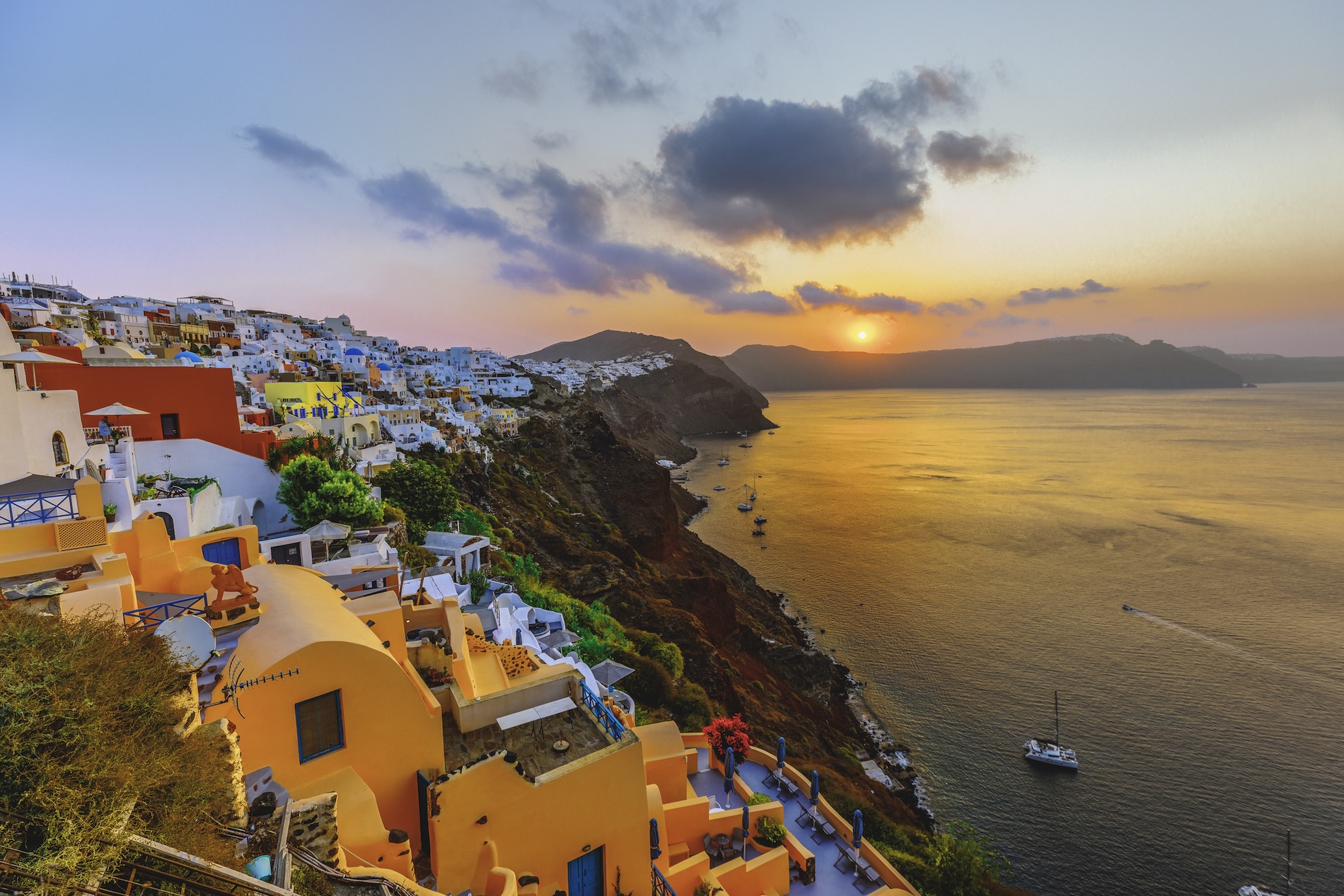
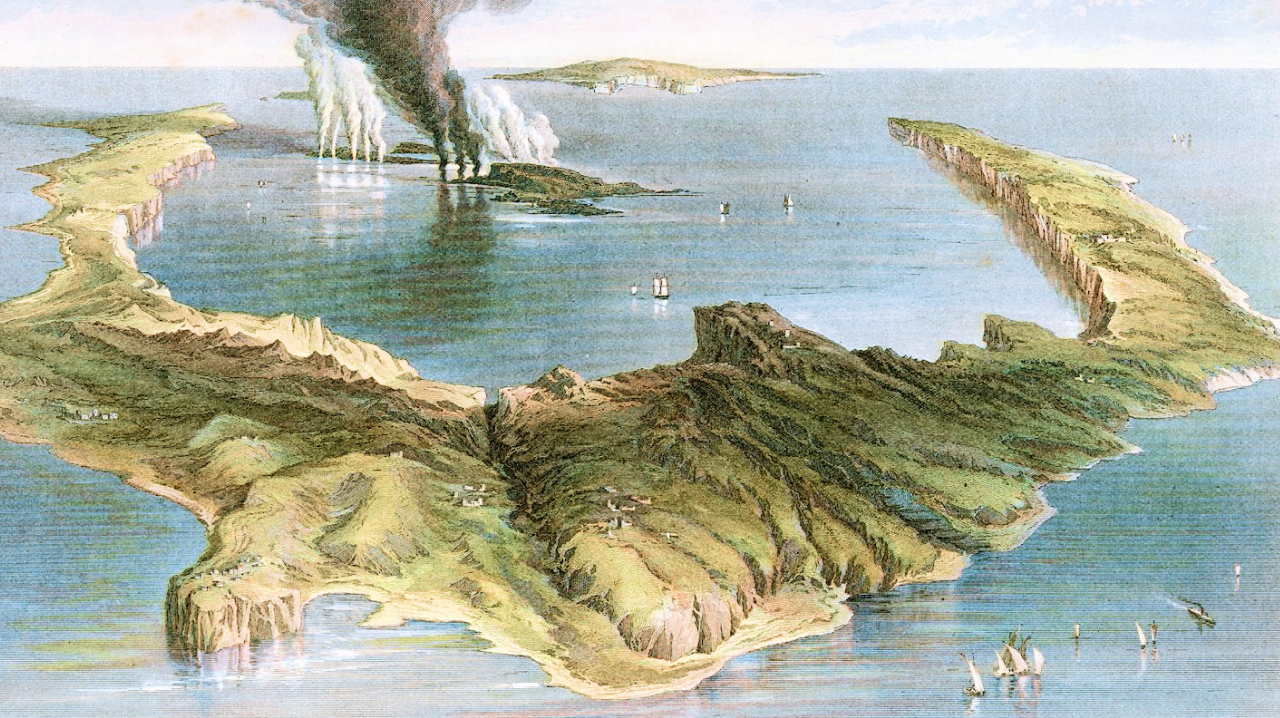
Santorini is essentially what remains of an enormous volcanic explosion (about 1550 b.C.) destroying the earliest settlements on what was formerly a single island, and leading to the creation of the current geological caldera.
WHERE THE STORY BEGINS
The History
Santorini is mostly a water-filled caldera formed by one of the largest volcanic eruptions in history, the Minoan (Thera) eruption, about 3,500 years ago. The island received the name Santorini from the Latin Empire in the 13th century, referencing Saint Irene, while earlier names included Kallisti, Strongyli, and Thera.
The eruption buried the island in volcanic ash and may have contributed to the collapse of the Minoan civilization in Crete, possibly through a massive tsunami. Some theories also link this event to the legend of Atlantis.
Excavations at Akrotiri since 1967 revealed a well-preserved Bronze Age settlement with multi-level buildings, streets, and detailed wall paintings, showing an advanced civilization that thrived between 3000 BC and 1580 BC.
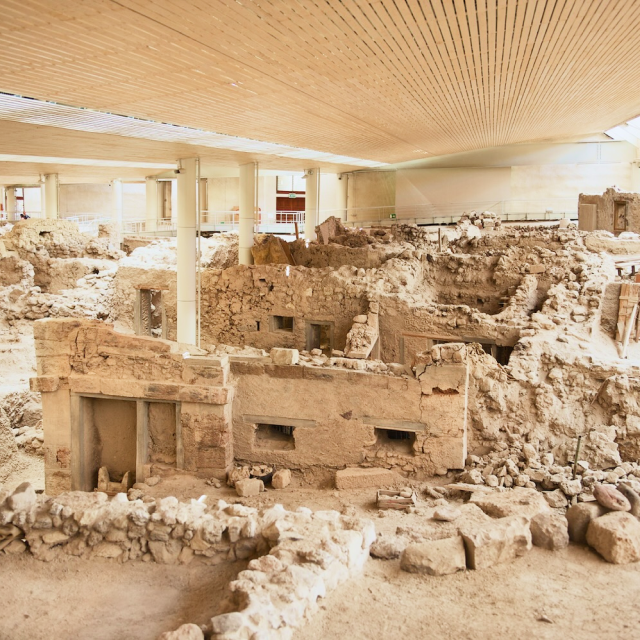
Akrotiri was a 16th-century BC Minoan town with about 30,000 inhabitants. Volcanic ash preserved its two- and three-story buildings with Minoan wall paintings. No skeletons or valuables were found, suggesting residents were warned by earthquakes and evacuated before the eruption. After the disaster, Santorini remained uninhabited for a long time.
Later, Dorian settlers established their capital at Ancient Thira in the 9th century BC, naming the island after their leader Thiras. According to Herodotus, Santorini had seven towns and later became involved in conflicts between Athens and Sparta.
Excavations at Akrotiri also revealed advanced plumbing systems with hot and cold running water, and its sophisticated layout has often been linked to Plato’s description of Atlantis.
Volcano probably admonished the islanders, so that escape by boats with all prcious items…but..they have been lost..
Gold artifacts and Minoan frescoes from Akrotiri show the high level of art and culture in the ancient town. The wall paintings depict scenes of daily life such as saffron gatherers, fishermen, antelopes, and sailing boats, revealing the advanced lifestyle of the Minoan civilization. Some archaeologists believe this sophisticated settlement may have inspired Plato’s legend of Atlantis.
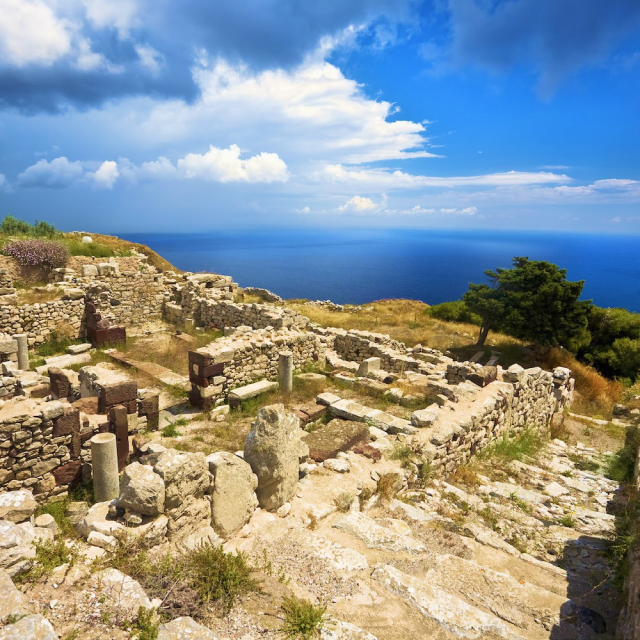
Ancient Thira, located on Mesa Vouno (396 m above sea level), was founded by Dorian settlers led by Theras in the 12th century BC and remained inhabited until the early Byzantine period. Excavations uncovered ruins from the Hellenistic and Roman periods.
The name Santorini appeared in 1153, derived from the church of Saint Irene. The island later passed between Venetian, Byzantine, and Ottoman rule, suffering pirate attacks and volcanic activity.
After gaining independence in 1821, Santorini faced further challenges including World War II occupation and the 1956 earthquake. Since the 1970s, restoration of traditional cave houses and the growth of tourism have helped revive the island.
INQUIRY
The Location
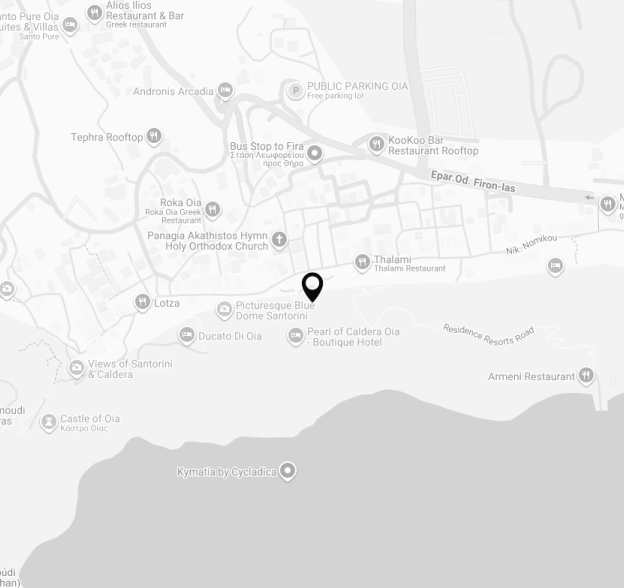
IFESTIO VILLAS is perched on the caldera cliff of Oia village, offering direct views of the volcano. Access is through the traditional walking path, ensuring a peaceful atmosphere away from vehicle noise.
Santorini Airport (JTR)
18km - Approximately 20-25 minutes by taxi
Athinios Port
22km - Approximately 45-50 minutes by taxi
GET IN TOUCH
YOUR SANTORINI EXPERIENCE AWAITS
From unique island activities and curated moments to personalized services tailored to your every need, our team is here to design a stay that is effortless, seamless, and unforgettable. Reach out to us today and let us craft your ideal escape in Santorini.

Best Price Guarantee
Get the best rates when you book directly through our website.

Direct Contact
Our team will help you with all details of your reservation and stay.
INQUIRY
Your Next Chapter Starts Here
Whether it's a milestone celebration or a soul-searching retreat, we are here to bring your vision to life.

Phone
+30 6944 261420

info@ifestio.com

Address
Oia, Santorini 84702, Greece
 WhatsApp